
The essence of marriage in the 21st Century has lost its glory and meaning. The dynamics of society have changed. The value that was placed on the sanctity of marriage has slowly degraded to a casual partnership devoid of commitment and respect. Young men and women both alike are challenged. They hardly know the purpose of marriage; its impact on society and the future generations. It is heartbreaking to observe what was a respected institution be deprived of its worthiness. The institution of marriage is under attack and needs young people who are sober to rescue it. There are certain elements that need to be breathed back into the institution if it must live again.
When the element of culture is removed from marriage, it becomes a shell without a york inside. This century has deprived marriages of culture being unaware that it is what gives an identity to a group of people and society at large. People should know who they are if they have to form marriages with an identity. Where marriages deprive culture of its place, they become nothing more than social partnerships where spouses do not have a clear picture of what it should be. Consequently, marriages have struggled to find an identity. Any union without identity risks adopting unhealthy ideas to what marriage should be. It should be realized that marriage is a very respectable union in society.
Marriage is the mother of every given community. It is the most important institution that must shape the communities in which people live. Communities are like forests. The future outlook of any forest is determined by the seeds that fall from the trees. Similarly, new marriages have much influence on the future of communities. The challenges of marriages spill over into communities. Over time, the failures of marriages are carried on by children to form a community that has a very unhealthy perception of the marriage institution. What this implies is that when marriages are healthy, communities are healthy and vice-versa. Everything that happens in communities reflects the state of marriages in it.
Therefore, there is a need for counselling children if we are to help rescue the future of marriages. There is a need to heal the young men and women from the emotional trauma experienced from homes with abusive marriages.
In Zambia, most people do not value counselling. Hence, when children leave abusive homes, they carry the pain into their marriage unions. There is a need to counsel children whose parents go through divorce; they need to be healed and form a healthy picture with regards marriage; they need to be taught that divorce is not normal; they need to be taught that abuse is not part of marriage; they need to be helped to forgive their parents; they need to be shown the perfect picture of a family from the Bible. Until this is done, a seed of abuse, divorce and hate remains in the grounds of the future. Most failed marriages can be traced back to parents.
There is a need for healthy marriages. Creating a very healthy environment for the children starts from home. If the environment is healthy, the children grow up healthy. A healthy environment does not adopt unhealthy vices. If the unhealthy vices such as abuse on both parties are left unchecked, children adopt abnormal behavioral patterns and amplify them in their own marriages. All forms of abuse must be checked; Emotional, Mental and Physical abuse must be cancelled. They have a destructive effect on children and their marriages in future.
Elements that attribute to abuse in marriage are quite many. However, the struggle for power in society trickles down to marriage. Husband and wife both want to take a lead. Most men feel they have lost their voice in marriage; they cannot feel respected anymore. Therefore, they are resorting to abusive ways of trying to retain their position. On the other end, women are fighting for recognition as equal partners in the institution of marriage. In trying to achieve this, the majority of women are getting financially empowered for selfish reasons.
The motive for marriage in men and women is different. Most men want to marry for companionship while women want to marry for many other reasons. The majority of women that have been interviewed have shown the following reasons for marriage: A need for settlement due to age; escape from poverty; the need to have children; escape from mockery. These are the most frequent responses that women give. A few sober reasons from women are that marriage is a wonderful idea for a family. Men on the other end do not marry for the foregoing reasons except for the idea of starting and building a family. Men usually marry for continuity of their name and to provide a heir to their works and achievements.
Young people must introspect and align their thoughts about marriage to God’s purpose. The marriages in this generation are arguably not for God. They carry the form of godliness but deny the power thereof. They associate with the Church but have a worldly format. Until couples live with each other according to biblical roles, and function within the parameters of scripture, those marriages are not of God. The idea of marriage is to depict Christ’s union with the Church. Christ is the groom and the church is the bride. The work of the groom is to nurture the bride so that she can be presented to God without wrinkles or spots. The role of the church is to submit to the leadership of Christ so that she can be perfected. This is what the spouses should remember to practice. Anything different from this picture is not of God.
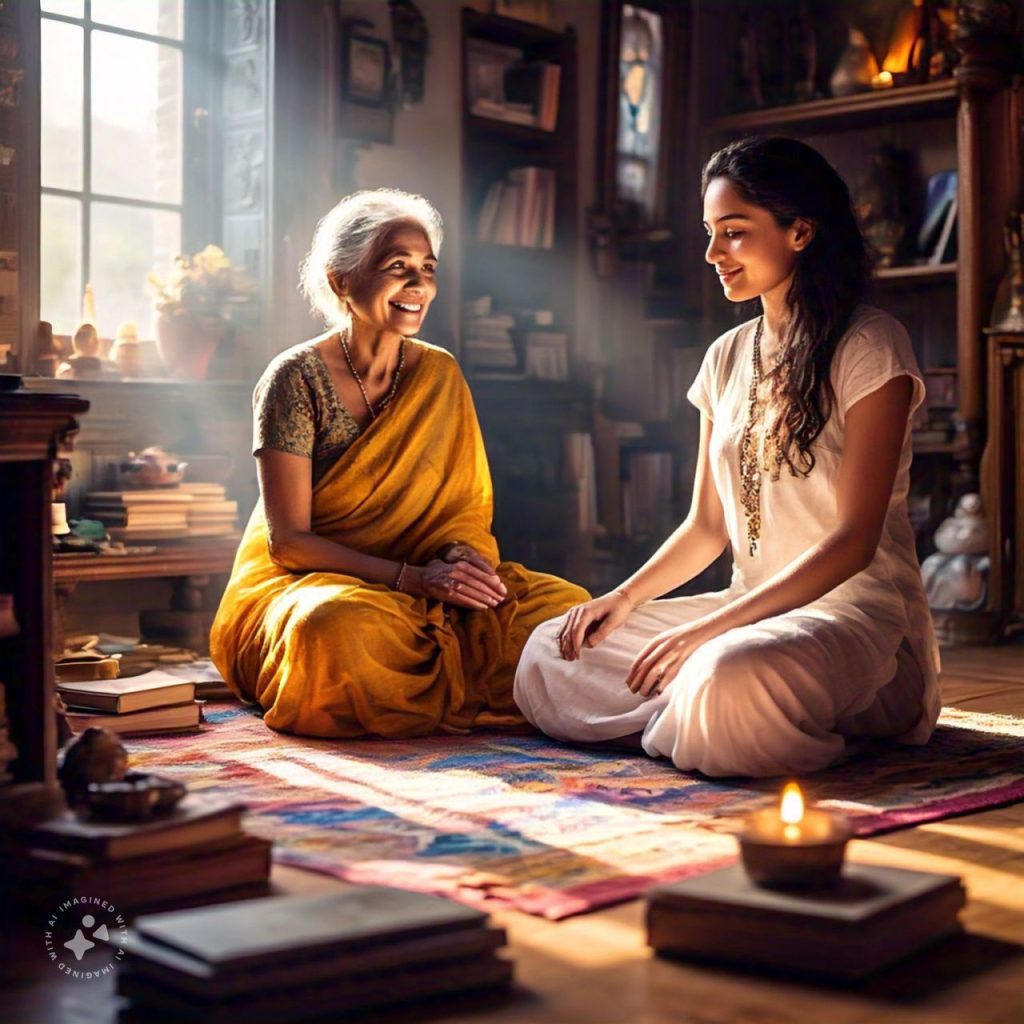
Culture prescribes behaviors that are acceptable. It all starts from the grooming stage. This stage is the teenage and youth ages of growth. During these periods, young women and men should be found in the right environments where they are able to glean wisdom about life from the elderly people. Forefathers embraced circles and gatherings of elderly people. Their marriages are a testament of how well they were groomed. They knew who they were and what was expected from them. The young men sat around elderly men while the young women were glued to older women who had vast experience in human life. Through interactions, women grew up knowing who they were in society and how they needed to live their lives to maintain their dignity.
Men were taken to the bush to hunt. While in the bush they learnt survival skills and how much hard work it takes to be respected as a man. Young men knew that respect was commanded through hard work and being responsible enough to provide for their homes. Whenever they went to hunt, they were taught to return home with hands full of game meat for the family. At home, women sat to learn how to care for the home, ensure that everyone is properly fed, clothed and the home kept clean. When the man returned home, the woman received the game meat from his hands, welcomed him with a drink of water as she prepared water for his bath. While a man took his bath, the woman would be busy serving his meal. After the meal, the couple would sit together to talk about work in the field and activities at home.
The modern man has lost this position by allowing himself to roll back while allowing a woman to lead in important matters of the house. He is no longer the priest of the family. He has allowed the woman to have a strong relationship with God while he relaxes. This is contrary to the leadership structure of God for a family. According to Paul, Christ is the head, then the man and thereafter, the woman.1
The 21st Century man has given up many responsibilities – leaving the woman with no option but to take the lead. When men disconnect from Christ, women assume leadership in the home. Leadership for a man starts at a spiritual level. The loss of spiritual leadership can lead to many unwanted cases in the family. When Adam left his position, his wife took the lead and consequences that followed affected the whole world. The 21st Century man has lost his identity and has given the steering wheel to the woman. This has deprived future generations of male-leaders. The boy child and the young men are without role models. Consequently, some are now celebrating femininity and changing their gender. Fathers must rise up to the occasion to correct this abnormality. Otherwise the future of society is at a terrible risk. If it is left unattended, the world may experience the consequences of Adam’s lapses.
The modern woman on the other end is a competitor, a rival trying to prove that she can stand on her own. She cares less about the man because to her, a man is only useful for providing for the house. Now that she is empowered financially and can provide, she has reduced the significance of a man into a mere partner who she can replace with a good paying and sustaining job. The modern woman lives with the worldly idea that, “What a man can do, a woman can do”. She has lost her value by leaving her position in the home. Her value cannot be felt any more than it was in the 20th Century. This is the challenge men have in this generation. Reminding a woman to keep her position in the home is like snubbing her. The reaction that the modern woman gives to a reminder of keeping her place of value in the family and society is disheartening. It brings a realization that family foundations need to be rebuilt. According to Solomon, a woman’s wisdom is what builds a home.2
In the 20th Century, spouses complimented efforts and maintained respect for each other. Women were very much respected because of their role as a mother. They were not just mothers for their homes but for the entire community. They were also mothers to the men in society. Wherever there was a woman, there was a role model, a mother and a keeper of life. Women were responsible for grooming children and ensuring that they respected their fathers. The life of society was in the hands of women. They were admired for their big hearts to keep families regardless of which side they were on. No age was insignificant. Every woman was respected at any age. Women were taught to give respect to men, especially those that were married. There was no friendship between a married man and a woman. They were never seen in public drinking places. As respectable as they were, admired for their resilience, strength and wisdom to keep the home, they were never seen having friendlies with men. They were gems too rare to be common. They were admired for their ability to help shape a man; turning him into an respectable one. It was a taboo for a woman to expose certain parts of her body as she was a mother for all in the community.
To correct the society, culture must be amplified and its tenets respected. This should be a deliberate action possibly backed by the laws of Zambia. As a Christian Nation, Zambian law makers should take up the mandate to introduce laws that preserve the dignity of society and protect our cultures from further erosion. Culture forms traditions to follow in order to preserve the sanctity of human society. Traditions are systems that prescribe the process for doing anything. To a modern man and woman, tradition is unnecessary. But to the wise who wish to have respectable long lasting marriages, emphasizing culture in our homes is the only way to restore sanity in marriages, homes and communities.
About the Author

Chilando Kanyanta is a writer and speaker. His themes are Wisdom, Relationships, Purpose and Spiritual Inspiration. He has interests in Mental Health, Family Life, Discipleship and Personal Transformation.
Phone: +260 779 771 477
Email: chilandokanyanta@gmail.com